Thinking about leaving the city or another suburb for more space in Northern Westchester? Yorktown offers a very specific kind of lifestyle: more room to spread out, strong town amenities, and easy access to parks and trails, with a daily routine that is usually built around driving rather than walking everywhere. If you are planning a move, understanding how Yorktown works on the ground can help you choose the right area, home type, and commute setup. Let’s dive in.
Yorktown at a glance
Yorktown is a large suburban town in Northern Westchester, roughly 35 to 40 miles north of Manhattan. According to the Town of Yorktown, it has about 36,000 residents spread across about 37 square miles, which gives it a more spacious feel than denser parts of Westchester.
The town also has a strong owner-occupied housing base. Census Bureau QuickFacts list owner-occupied housing at 85.6%, a median household income of $167,091, a median owner-occupied home value of $606,800, and a mean travel time to work of 37.7 minutes. In simple terms, Yorktown tends to attract people who want suburban living with established neighborhoods and a stable residential feel.
Yorktown is organized by hamlets
One of the first things new residents notice is that Yorktown does not revolve around one dense downtown. The town describes its commercial activity as spread across five business hamlets: Mohegan Lake, Shrub Oak, Jefferson Valley, Crompond, and Yorktown Heights.
That layout shapes daily life. Instead of doing everything in one central district, you will likely find yourself using different parts of town for groceries, services, restaurants, recreation, and commuting. For many buyers, that makes location within Yorktown just as important as the home itself.
Housing options in Yorktown
Yorktown is known for one-family homes, but that is not the whole picture. The town’s 2024 housing inventory shows 9,554 one-family residential parcels and 177 one-family dwellings with accessory units, along with smaller numbers of two-family, three-family, and multi-family properties.
There is also a separate apartment and condo category totaling 3,111 units. That means if you are relocating to Yorktown, you may be able to choose from detached homes, condos, or other attached housing depending on your budget, lifestyle, and maintenance preferences.
Detached homes remain the main pattern
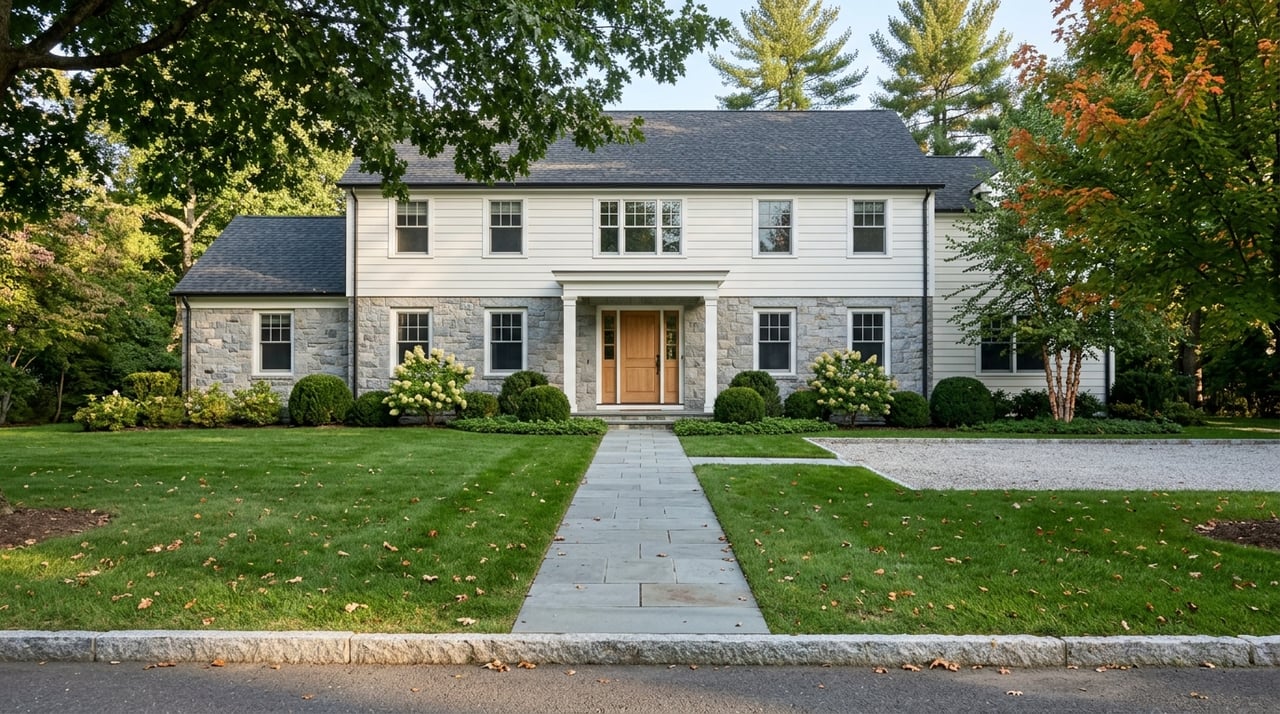
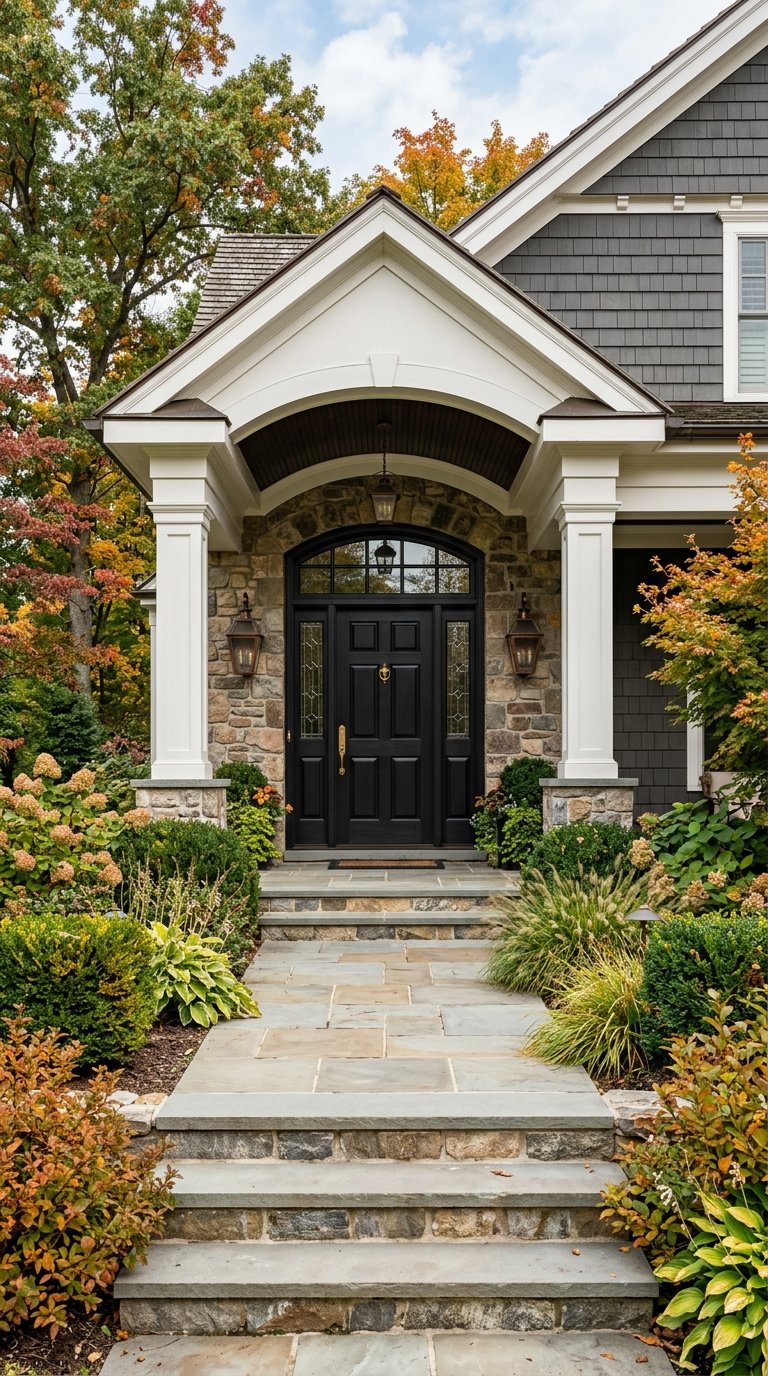
If you picture Yorktown as a place of established residential neighborhoods and single-family homes, that is mostly accurate. Much of the housing stock supports that classic suburban setup, where buyers often prioritize yard space, storage, and privacy.
That said, not every part of town feels the same. Some homes sit closer to shopping and major roads, while others feel more tucked away and residential. Your experience can vary quite a bit depending on the hamlet and the exact property location.
Condos and downsizer options exist
Yorktown also has a visible downsizer and age-restricted housing segment. The town reports 247 age-restricted units, mainly at Beaveridge, and notes approvals for additional age-restricted projects including a 118-unit townhome community and a 180-unit multifamily project.
For buyers who want to stay in the area with less maintenance, that matters. It means Yorktown is not only a market for move-up buyers, but also a place where some residents can transition into a different housing style without leaving town.
What daily life feels like
Yorktown’s daily rhythm is more town-centered and outdoors-oriented than urban. You are not moving to a walk-to-everything environment. You are moving to a place where errands, activities, and recreation are spread out, and where many residents build their routines around driving between home, schools, stores, and parks.
That does not mean inconvenient. It means you will want to think practically about where you live in relation to the places you use most. A home that looks ideal on paper may feel very different once you factor in school runs, grocery stops, and commute routes.
Shopping and service areas are spread out
Town planning documents identify major retail and service clusters in Jefferson Valley, Yorktown Heights, and Crompond. These include places such as Jefferson Valley Mall, Yorktown Green and Triangle, and the BJ’s and Staples shopping centers.
For new residents, this matters in a simple way: convenience is not evenly distributed. Some homes will place you closer to daily errands, while others may offer a quieter setting with a longer drive to stores and services.
Commuting from Yorktown
If you are relocating from a more transit-rich area, this is one of the biggest adjustments to understand. Yorktown does not have its own train station, so most commuters rely on nearby Metro-North stations or bus connections rather than an in-town rail stop.
The town’s transportation plan says residents commonly use stations such as Croton-Harmon, Ossining, White Plains and North White Plains, Peekskill and Cortlandt, Golden’s Bridge and Katonah, Bedford Hills, and Mount Kisco. The town also notes access to the Harlem and Hudson rail lines and service from Bee-Line buses.
Expect a car-first routine
In practical terms, Yorktown functions as a car-first town. It has direct access to the Taconic State Parkway, Routes 6, 202, 35, and 100, and it sits near I-684 and I-84.
Bee-Line Route 77 currently operates as an express route between Carmel, Yorktown, and White Plains. The town’s transportation plan also noted commuter bus service into Croton-Harmon and White Plains, along with park-and-ride lots at Town Hall, Downing Park, FDR Park, and along Route 6. Service details can change, but the overall model is consistent: drive, bus, or connect to a nearby station.
Choose your home with the commute in mind
This is where relocation planning becomes very local. Two homes may both be in Yorktown, but one may offer a more straightforward path to your preferred parkway, bus route, or rail connection.
Before you get too attached to a property, it helps to map out your real weekday routine. That includes not just your office commute, but also drop-offs, errands, and the station or park-and-ride you are most likely to use.
Schools in Yorktown
Yorktown is served by four public school districts: Croton-Harmon, Ossining, Lakeland, and Yorktown. This is an important detail for relocating buyers because school district boundaries do not match the town line in a simple, townwide way.
The practical takeaway is clear: school assignment should be verified by exact property address before you make an offer. The Town of Yorktown specifically notes this, and it is one of the most important relocation details to confirm early.
District boundaries require address-level checking
Yorktown Central School District serves a large part of town and currently reports about 3,400 students. Lakeland serves additional parts of Yorktown and operates five elementary schools, one middle school, and two high schools.
Because multiple districts serve the town, assumptions can create confusion. If schools are part of your decision, checking the exact address is the safest and smartest move.
Recreation is a major lifestyle perk
One of Yorktown’s clearest strengths is outdoor access. The town says it has about 60 miles of hiking trails, and the North County Trailway runs for about 5.5 miles through Yorktown with access points near Route 100, Route 118, and Yorktown Heights.
That gives the town a very different feel from denser parts of Westchester or New York City. Recreation is not an occasional extra here. For many residents, it is part of regular weekly life.
Parks, trails, and community facilities
Yorktown residents have access to well-known local outdoor destinations including Franklin D. Roosevelt State Park, Teatown Lake Reservation, and Kitchawan Preserve. These spaces support walking, hiking, and a more outdoors-centered routine.
The town also operates three swimming facilities: the Brian J. Slavin Aquatic Center, Junior Lake Pool, and Sparkle Lake Beach. The Slavin center includes a kiddie splash pool, an interactive children’s pool, a diving pool, and a 25-meter lap pool.
Town amenities support everyday living
The Albert A. Capellini Community & Cultural Center is another important local resource. It houses the Parks and Recreation Department, Planning Department, Senior Nutrition Center, Section 8 office, Yorktown Museum, Yorktown Teen Center, and Yorktown Stage.
The John C. Hart Memorial Library in Shrub Oak also plays a major civic role. It serves Yorktown and surrounding areas as a center for intellectual, personal, and cultural enrichment, which reflects how much local life runs through town-based institutions and services.
What new residents should plan for first
If you are relocating to Yorktown, a little planning up front can make your move much smoother. The town can be a great fit if you want more space, a quieter suburban setting, and strong access to parks and community amenities.
The biggest adjustment for many newcomers is not whether Yorktown is appealing. It is learning how specific location choices affect your daily routine. In this town, the right fit often comes down to matching the property to your commute, errands, and lifestyle patterns.
A smart Yorktown relocation checklist
Before you buy, focus on these basics:
- Verify the school district by exact property address
- Compare hamlets based on your commute and shopping patterns
- Identify the nearest park-and-ride or likely rail connection
- Decide whether you want a detached home, condo, or downsizer option
- Consider how close you want to be to trails, pools, parks, and town facilities
Yorktown also offers helpful support for older residents. The town provides senior transportation to the nutrition program and local supermarkets, along with ongoing senior recreation programming, which can be useful for households planning around older family members.
If you are considering a move to Yorktown, working with a local agent who understands the hamlets, commute patterns, and housing options can save you time and help you make a more confident decision. For personalized guidance on Yorktown homes, condos, downsizer options, or relocation planning, connect with Robert Mulvey.
FAQs
What should relocating buyers know about Yorktown’s layout?
- Yorktown is organized around multiple business hamlets rather than one dense downtown, so your daily errands, services, and activities may be spread across different parts of town.
What types of homes can you find in Yorktown?
- Yorktown is dominated by one-family homes, but it also includes condos, apartments, accessory-unit properties, and some age-restricted housing options.
What should commuters expect when living in Yorktown?
- Yorktown does not have its own train station, so most commuters use a car, Bee-Line bus service, park-and-ride lots, or nearby Metro-North stations.
What should homebuyers know about school districts in Yorktown?
- Yorktown is served by four public school districts, and district boundaries should be confirmed by exact property address before making an offer.
What is daily life like for new residents in Yorktown?
- Daily life in Yorktown is typically suburban and car-focused, with strong access to shopping areas, parks, trails, pools, town programs, and community facilities.
What outdoor amenities can new Yorktown residents use?
- Yorktown offers about 60 miles of hiking trails, about 5.5 miles of the North County Trailway, and access to places like FDR State Park, Teatown Lake Reservation, and Kitchawan Preserve.