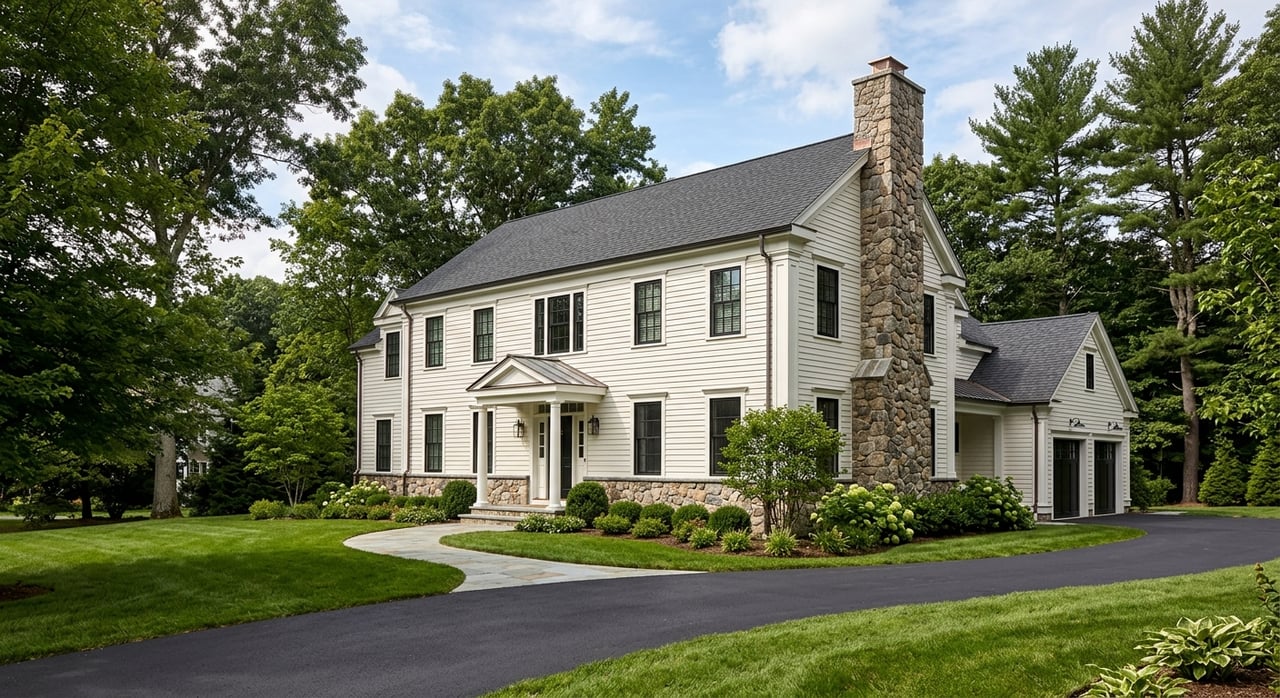
Choosing the right part of Yorktown Heights is not just about finding a house you like. It is about finding the setting, lot size, home style, and day-to-day feel that fit how you want to live. If you are comparing neighborhoods in Yorktown Heights, this guide will help you understand the main pockets, the homes you are most likely to see, and how each area can feel different in practice. Let’s dive in.
Why Yorktown Heights Feels So Varied
Yorktown Heights is part of the Town of Yorktown in northern Westchester, about 35 miles from New York City. The town includes five business hamlets and twelve historical residential neighborhoods across roughly forty square miles. That larger footprint is one reason your home search can feel broader here than many buyers expect.
The housing mix also reflects when much of the town was built. Town planning materials describe Yorktown as largely built out, with much of its stronger growth happening in the 1950s and 1960s. That helps explain why ranches, capes, split-levels, and colonials remain such a big part of the local housing stock.
Recent census data gives useful context for the market as a whole. The town had 36,969 residents in ACS 2023, an 85.2% owner-occupied housing rate, and a median owner-occupied home value of $581,000. The town’s 2021 housing profile also says 80.3% of the housing stock is single-family.
Common Home Styles in Yorktown Heights
If you tour several neighborhoods, you will likely notice a few home styles appear again and again. These are not random patterns. They reflect the town’s growth era, lot layout, and later rounds of renovation and expansion.
Ranches and Capes
Ranches and capes are common in many older sections of Yorktown Heights, Shrub Oak, and Mohegan Lake. These homes often appeal to buyers who want a practical layout, a more established street pattern, or an opportunity to update over time. Some remain closer to original condition, while others have been expanded or renovated.
Split-Levels and Raised Ranches
Split-levels and raised ranches are part of the classic suburban inventory in the area. You will often find them on moderate lots with driveways, mature trees, and a layout that separates living and sleeping spaces. For many buyers, these homes offer a balance between space and price point.
Colonials and Larger Detached Homes
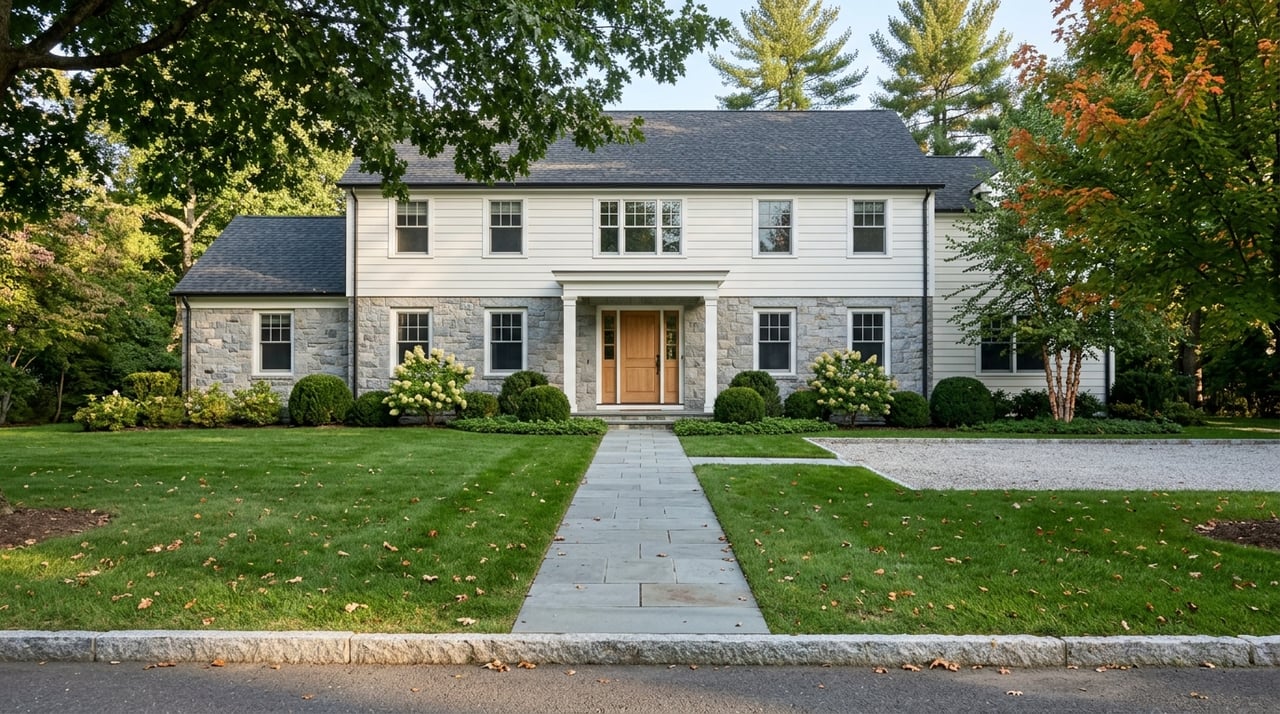
Colonials are widely available across Yorktown, especially in parts of Crompond and in renovated or newer pockets throughout town. These homes often attract buyers looking for more square footage, more formal room separation, or larger parcels. In some locations, they also represent the upper end of the local price range.
Condos and Townhomes
Attached housing is more limited than single-family inventory overall, but it does exist in key pockets. Buyers looking for lower-maintenance living often focus on Jefferson Village, nearby condo communities, and select properties near the Yorktown Heights center. Because supply can be limited, these homes often get attention quickly.
Yorktown Heights Hamlet Center
The Yorktown Heights hamlet center, including areas around Underhill Avenue, Commerce Street, and Route 118, offers one of the most mixed housing selections in town. Here, you can find older ranches, capes, split-levels, and colonials, along with condos and townhomes closer to the center. Current public examples range from roughly $235,000 to $469,000 for attached units, about $669,000 to $799,000 for many detached homes, and around $910,000 to $1.15 million for larger renovated properties.
This area often feels more central than other parts of town. Town Hall is located on Underhill Avenue near Route 118, and the North County Trailway extends into central Yorktown Heights with parking near Town Hall. That combination can make the area appealing if you want town services and a more connected feel.
Sidewalk coverage also matters here. Town planning materials note that Yorktown Heights has more sidewalks than some other hamlet areas, which can shape how convenient daily routines feel. Two neighborhoods may have similar pricing, but one may simply feel easier to navigate on a day-to-day basis.
Crompond and Route 202
Crompond offers a different experience from the more central Yorktown Heights hamlet area. The housing stock leans toward colonials, custom homes, and newer construction, with some attached or mixed-use possibilities near the business corridor. Current public examples run from about $625,000 to $1.175 million, including properties on half-acre, one-acre, and nearly two-acre parcels.
This part of town tends to be more road-oriented. The town’s comprehensive planning materials treat Crompond as a hamlet business center where mixed-use and some attached housing can fit behind commercial frontage, but in everyday use, the area reads as more convenience-driven than village-like. Buyers often consider Crompond when they want a broader detached-home search and easier highway access.
If your priority is a larger home or lot, Crompond may deserve a close look. It may not offer the same sidewalk pattern or central feel as Yorktown Heights proper, but it can provide more options for buyers seeking space. That tradeoff is important to understand early in your search.
Jefferson Valley and Jefferson Village
Jefferson Valley and Jefferson Village stand out for buyers who want attached housing or a lower-maintenance setup. Current public inventory shows many Jefferson Village and nearby condo listings in roughly the $360,000 to $540,000 range, while detached homes nearby often run from about $579,000 to $839,000. The broader Jefferson Valley-Yorktown market has a recent median sale of about $725,500.
This area is especially relevant if you are downsizing or want convenience to shopping and major roads. Listings often highlight clubhouse-style amenities, and the area is commonly associated with access to the Jefferson Valley Mall and the Taconic. Nearby detached homes are often on roughly half-acre lots, but the attached options are the main draw for many buyers.
Town planning materials also note partial sidewalk coverage along parts of Hill Boulevard. That means walkability can vary depending on the exact community and property location. If low-maintenance living is at the top of your list, this is one of the first places many buyers explore.
Shrub Oak
Shrub Oak often appeals to buyers who want classic suburban streets, older housing stock, and a range of price points. The area includes older capes and ranches, renovated colonials, and some condo or attached options. Recent public data shows a median sale price of $500,000, with current listings ranging from about $225,000 to $1.15 million.
Lot sizes can vary from modest parcels to about half an acre. Current examples include homes on roughly 9,583-square-foot lots as well as homes on about 0.52 acres. That mix can create opportunities for buyers looking for either an entry point or a more updated property in the same general area.
Shrub Oak also offers practical convenience. It is one of the stronger pockets for access to Route 6 and the Taconic, and the John C. Hart Memorial Library is located on East Main Street in Shrub Oak. For buyers who want everyday functionality along with older-home character, this area often stays on the shortlist.
Mohegan Lake
Mohegan Lake offers one of the most varied housing mixes in the Yorktown area. Here, you may find ranches, capes, bungalows, raised ranches, colonials, and some condo-style homes. Current public listings run from about $399,000 to more than $1.2 million, and the recent median sale price is about $545,000.
Town planning materials specifically note Mohegan Lake’s bungalow character. They also point out that sewer availability can increase infill and teardown or rebuild pressure over time. For buyers, that means the housing stock can feel less uniform and more block-by-block than in some other parts of town.
This area is often attractive for outdoor-minded buyers. The town says Mohegan Lake is a 103-acre lake that allows swimming, boating, and bass fishing, and nearby Sylvan Glen Park Preserve offers nearly 350 acres of trails and historic quarry features. Buyers who choose this area are often prioritizing a more natural setting, larger outdoor-oriented lots, or lake proximity.
How to Compare Neighborhood Fit
The right neighborhood is usually the one that matches your daily priorities, not just your budget. In Yorktown Heights, two homes with similar price tags can offer very different experiences depending on lot size, road pattern, attached versus detached living, and access to services. That is why neighborhood comparison matters as much as home comparison.
Here is a simple way to think about the main pockets:
- Yorktown Heights hamlet center: Best if you want a central feel, town services, and a mix of attached and detached options.
- Crompond: Best if you want larger detached homes, bigger parcels, and convenience to major roads.
- Jefferson Valley / Jefferson Village: Best if you want low-maintenance living or are considering a downsizer-friendly option.
- Shrub Oak: Best if you want older charm, practical access, and a range of entry points.
- Mohegan Lake: Best if you want recreation access, a natural setting, and a less uniform housing mix.
A Note on Schools and Transportation
The Town of Yorktown is served by four school districts: Yorktown Central, Lakeland Central, Ossining Union Free, and Croton-Harmon. District assignment should always be verified by parcel rather than assumed by hamlet name. If that detail matters in your home search, it is worth confirming early.
Transportation is another factor that can shape neighborhood feel. The town lists Bee-Line bus service, RideConnect Westchester, and senior transportation services, but the area is still mostly car-oriented overall. Sidewalk coverage varies by hamlet, which can have a real impact on how a neighborhood functions from day to day.
Why Local Guidance Matters in Yorktown Heights
Inventory can be uneven from one pocket to the next. The town’s housing plan has long identified limited supply in attached and downsizer categories, and current public listings still show that some options are more concentrated than others. That can make timing and local perspective especially valuable.
If you are buying, understanding which areas tend to have ranches, larger colonials, attached units, or renovation opportunities can save time and sharpen your search. If you are selling, knowing how buyers view your neighborhood and home style can help position your property more effectively. In a town with several distinct pockets, local insight is often what turns a broad search into the right move.
If you are thinking about buying or selling in Yorktown Heights, call or text Robert Mulvey for a free, no-obligation home valuation and personalized market strategy.
FAQs
What home styles are most common in Yorktown Heights?
- Ranches, capes, split-levels, and colonials are the most common styles, with condos and townhomes available in select areas.
Which Yorktown Heights area has the most attached housing?
- Jefferson Valley and Jefferson Village are the clearest pockets for attached housing and lower-maintenance living.
Which Yorktown Heights neighborhood feels most central?
- The Yorktown Heights hamlet center around Underhill Avenue, Commerce Street, and Route 118 generally offers the most central feel and access to town services.
Which Yorktown Heights areas may offer larger lots?
- Crompond and parts of Mohegan Lake often have larger detached-home lots, including half-acre, one-acre, and in some cases larger parcels.
Should you assume a school district based on a Yorktown Heights hamlet name?
- No. The Town of Yorktown says school district assignment should be verified by parcel, not assumed from the hamlet name.